Getting started
Your first useful habit in Deadlock is returning from a trade with enough health, ammunition and position to collect the next wave. Kills help, but a chase that abandons every nearby reward can leave you weaker despite the highlight.
Getting started
Your first useful habit in Deadlock is returning from a trade with enough health, ammunition and position to collect the next wave. Kills help, but a chase that abandons every nearby reward can leave you weaker despite the highlight.
A repeatable lane routine
Pick a hero, learn a short ability sequence and practise moving between cover and the wave. Track flying soul orbs and nearby ground pickups separately. Spend souls on a purchase with a clear job, then return before the opponent gains a free push.
Give the next fight a purpose
Before leaving the lane, choose what the move should accomplish: protect an ally, defend a structure or join an objective. Afterward, identify the first decision that cost you access to farm. This is more useful than changing your whole build after every death.
Hero roles
A role describes what a hero can contribute to this particular lineup, not an instruction to buy the same items every match. A durable initiator still needs follow-up, while a support ability does not erase the value of that hero’s own damage.
Read the job behind the label
Look at how the kit starts a fight, survives a response and reaches its targets. Then compare that with the team: several heroes who all want someone else to initiate leave a practical gap, even if each individual build is strong.
Adapt without abandoning the kit
Use purchases to solve the missing job your abilities can reasonably support. Adding survival may let you deliver control; adding range may let you save an ally. A tag alone cannot justify turning every hero into the same front-line build.





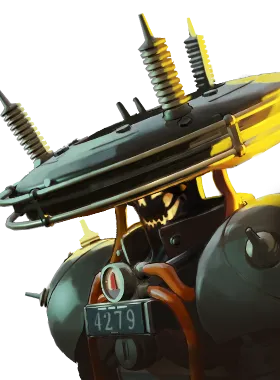









Hero progression and ability points
Unlocking an ability gives another action; upgrading it changes how an existing action works. Plan both around the next fight. A valuable cooldown or control upgrade can matter more immediately than saving every point for the largest damage number.
Choose an effect you can use
Read the next upgrade tier before spending AP. Ask whether it improves a spell you can land, supplies a missing defensive option or changes the timing of a familiar sequence. The same hero may need a different order when lane pressure prevents the usual approach.
Practise the new sequence
After buying an upgrade, repeat the relevant combo in the sandbox and notice what actually changed. Do not keep using the old timing when the improvement adds range, charges or a different interaction. A build’s listed order is a plan to understand, not a substitute for that decision.